
Imagine a shop that sells out of its best-selling product on a Tuesday. If the owner only reviews sales at the end of the month, they won't notice the stockout until weeks later, by which point they've lost three weeks of sales on their most profitable item, and possibly lost customers who went elsewhere and didn't come back.
Now imagine the same shop, but the owner sees that stockout the same day it happens. The reorder goes out immediately. The loss is measured in hours, not weeks.
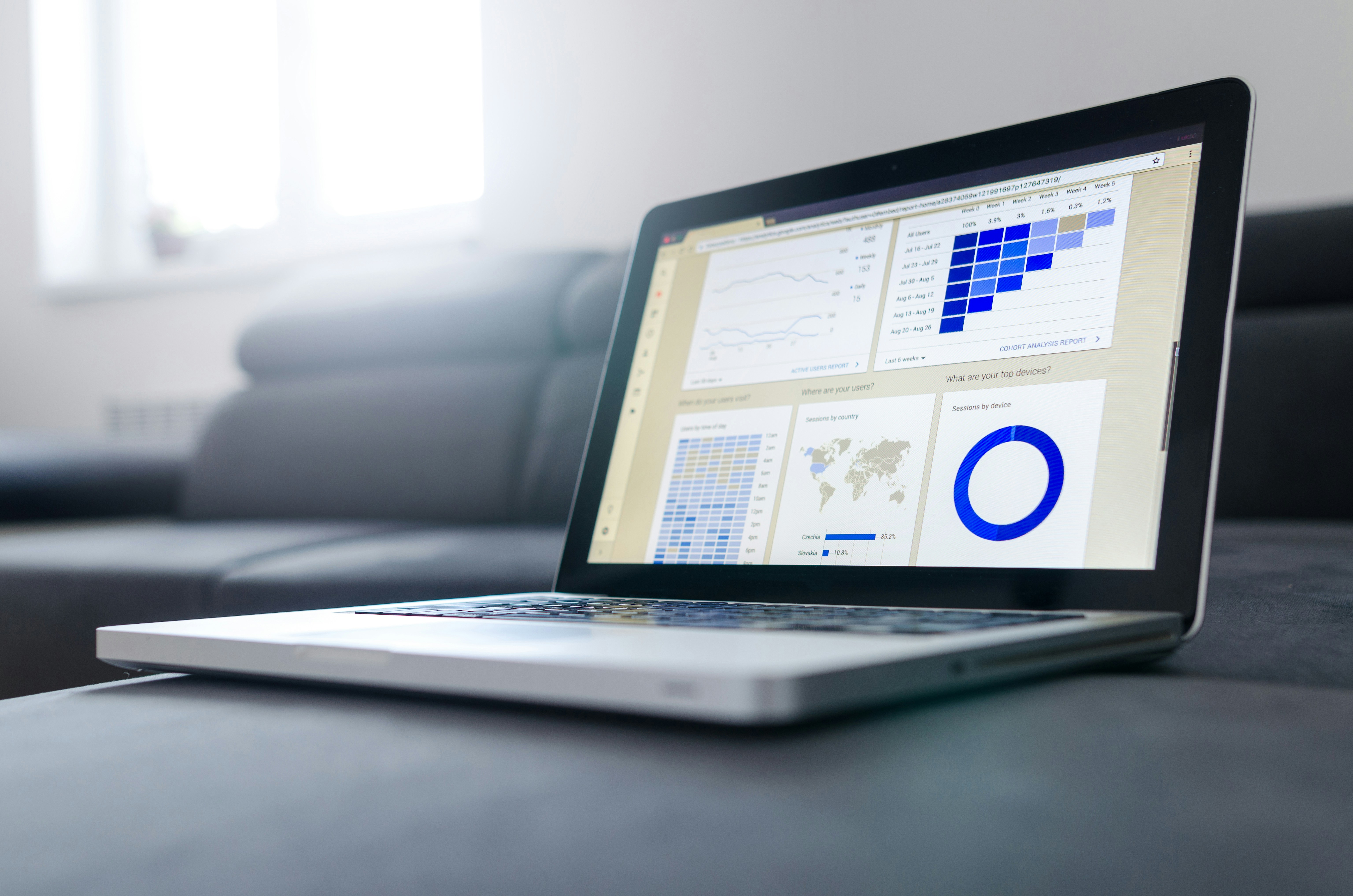
This is the real difference between end-of-month reporting and real-time visibility, and the numbers behind it are significant. Businesses using real-time analytics report acting faster during disruptions, and predictive, real-time systems have been shown to cut decision latency, the time between something happening and a business responding to it, by roughly 35% across industries. Meanwhile, customer satisfaction has been shown to rise by as much as 34% when decisions are driven by live data rather than delayed reports.
The reason is straightforward. A month-end report tells you what already happened. By the time it lands on your desk, the moment to act on it has often already passed. A real-time view tells you what is happening, while there's still time to change the outcome.
This doesn't mean every business needs to obsess over minute-by-minute updates. In fact, some businesses swing too far in the other direction, chasing real-time data updated every few minutes, when what they actually need is a clear daily or weekly signal. The goal isn't speed for its own sake. It's matching the speed of your information to the speed of the decisions you need to make.
For a retail shop, that might mean daily visibility into which products are moving. For a clinic, it might mean immediate visibility into which supplies are running low. For a cooperative, it might mean knowing about a drop in yield within days rather than at the end of a season, while there's still time to intervene.
The businesses that struggle most aren't necessarily the ones without data. They're the ones whose data arrives too late to be useful, numbers that are technically accurate, but practically irrelevant by the time anyone sees them.
Speed of insight is quietly becoming one of the biggest competitive advantages available to African SMEs, precisely because so many competitors are still operating on a month-end rhythm. The businesses that close that gap aren't just better informed. They're faster to react, and often first to fix a problem before it becomes serious.
This closes out the second stage of our series, moving from data awareness to real business intelligence. In our next set of articles, we turn to a new frontier that builds directly on everything we've covered so far: artificial intelligence, and what it can realistically do for a business like yours.